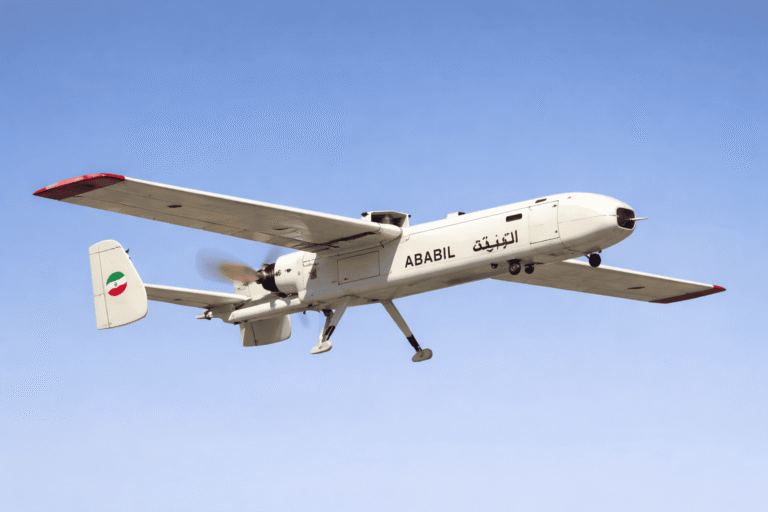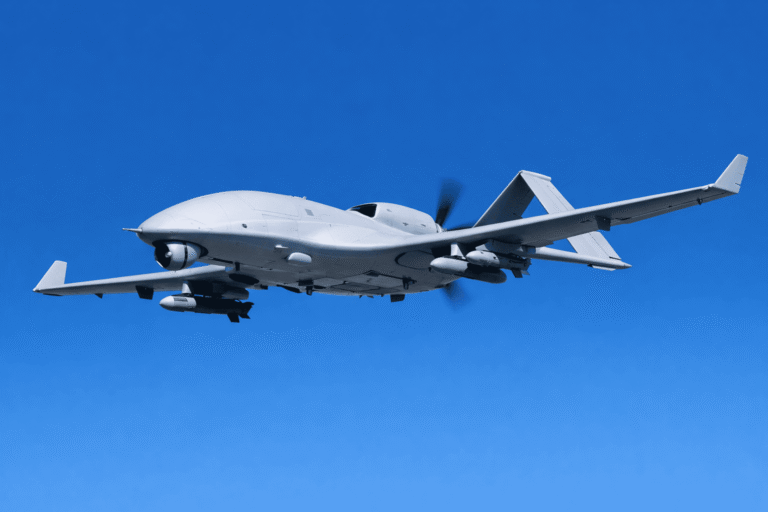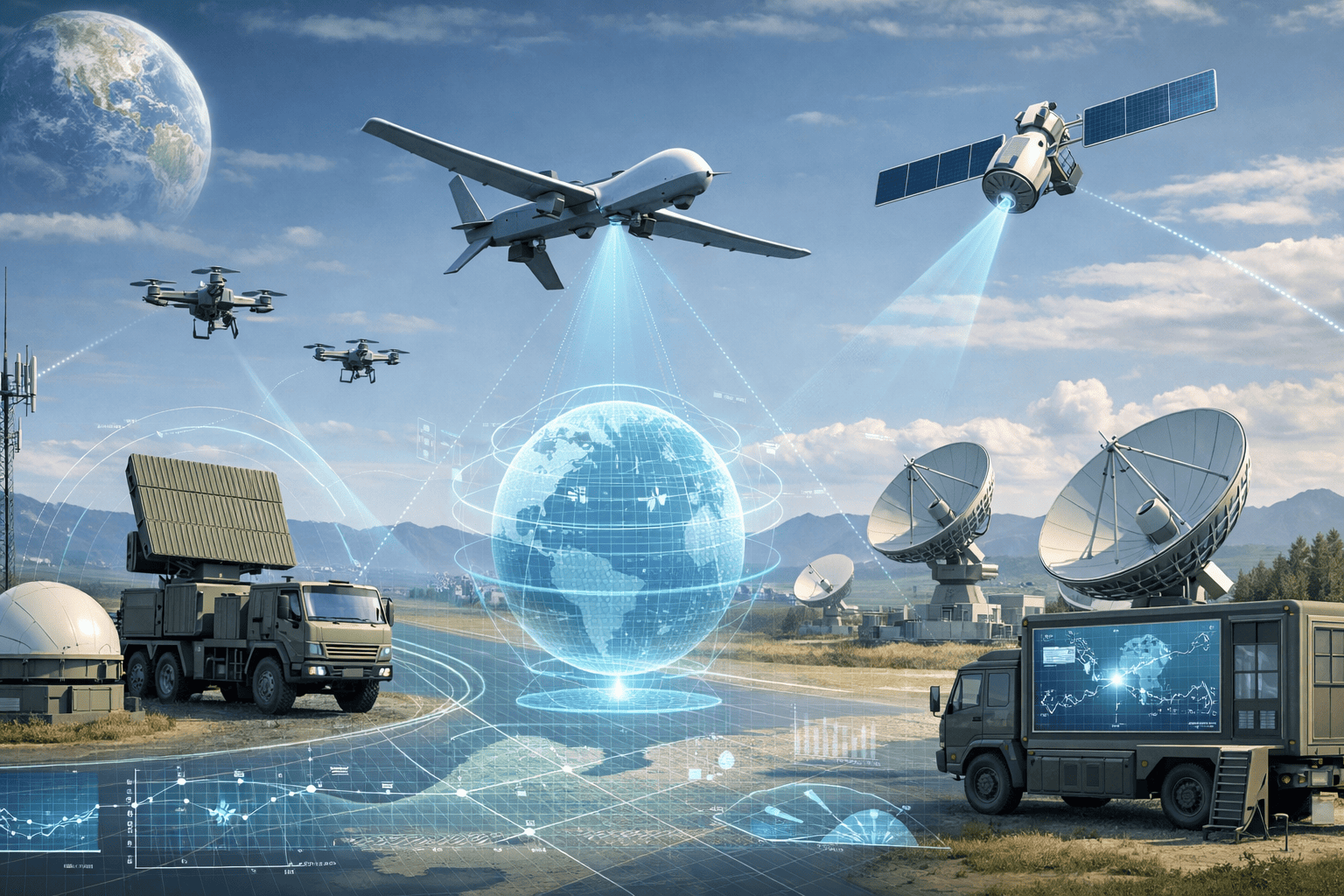
Future warfare focuses on advanced technology, data systems, and smart defense solutions.
Introduction
Future warfare is changing how wars may happen in the future. In the past, wars mainly depended on soldiers and weapons. Now warfare is moving to advanced systems and smart technology. Today, future warfare focuses more on technology, data, and automation instead of direct fighting.
Modern warfare technology in helps to countries prepare for safety and defense. these modern warfare technology Tools like artificial intelligence, drones, cyber systems, and advanced weapons are becoming part of military planning and strength. These changes are not about encouraging war. They help us to understand how warfare is changing with time.
This article we will explains what future warfare means, how it is different from traditional warfare, and why technology is important in coming time or future warfare. It also discusses upcoming technologies and their possible impact on the world in a simple and clear way.
According to research shared by NATO, modern defense systems are rapidly adopting in digital technologies very fast.
What Is Future Warfare?
Future warfare referring to the use of advanced technology in military operations to world. It focuses on smart systems, automation, and digital technologies tools rather than only physical force. today not same as traditional wars, future warfare relies on information, speed, and precision.
In future warfare, decisions may be supported by data analysis and automated or unmanned systems. Military forces in process to reduce human risk while improving efficiency. This shift is part of the broader evolution of warfare.
Future warfare does not mean that wars will continue all the time. It does not focuses on constant fighting or destruction. Instead, it shows how defense systems are changing to face new and modern threats.
Today, countries are updating their defense strategies because technology is growing fast withing time. latest technology help in monitoring risks, improving safety and protecting important systems. The main focus on future warfare is preparation, awareness, and protection, not direct conflict.
This changing in future warfare technologies help nations to stay ready for coming challenges in a modern and digital world.
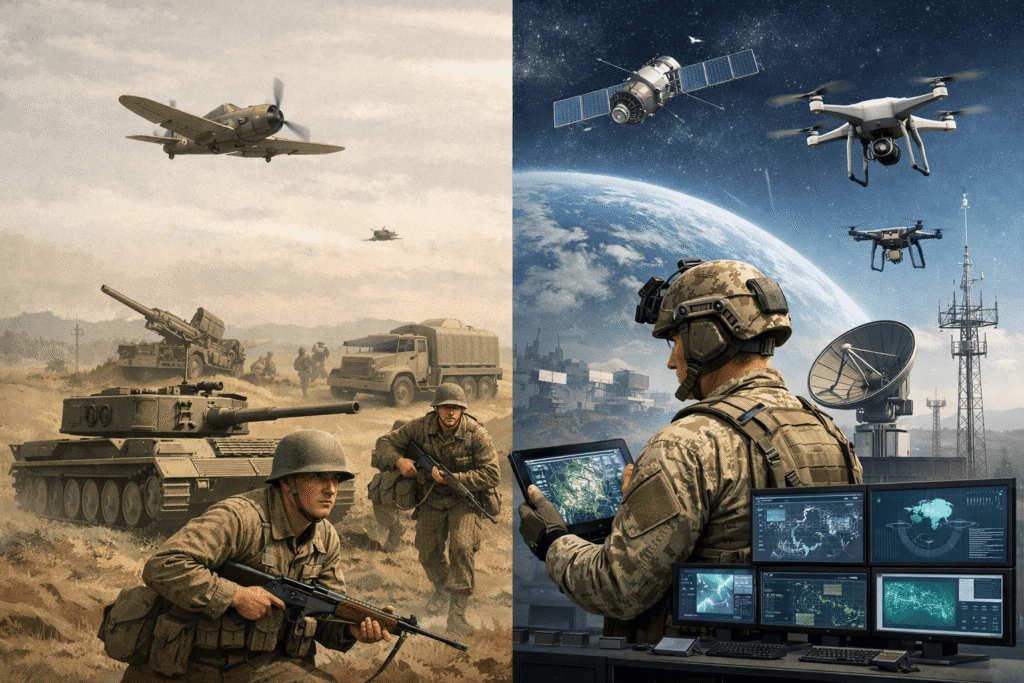
Evolution of Warfare: Traditional vs Modern
Traditional Warfare
Traditional warfare mainly involved ground forces, tanks, aircraft, and naval ships and also use of physical war ground plannings . In past war were fought face to face, and success depended on man power and physical strength. Communication was very slow and decisions often took time.
Weapons in traditional warfare were limited in accuracy. Information gathering was also difficult. This made wars longer and more destructive.
Modern Warfare
Modern warfare technology has been changed the situations. Today, wars depending on best intelligence, surveillance, and digital systems. Communication is very fast in whiting seconds, and decisions are data driven.
Future warfare building on latest and modern warfare by adding automation, artificial intelligence, and advanced defense systems. This goal is efficiency, control, and reduced human involvement in wars.
The Role of Technology in Future Warfare
Advance Technology plays a very important role and as a backbone in future warfare. It affecting in countries plan, protect, and respond to threats. Modern defense systems depend on advance and latest technology than on physical force.
Artificial Intelligence and Automation
Artificial intelligence helps to process a large amounts of data in a short time. In future warfare, AI can help detect threats withing few seconds . It supports surveillance and helps leaders to make better decisions.
Automation reduces human efforts and saves time. in short we can say automation take place of human in war grounds. It also improves accuracy and reduces mistakes during operations.
Data and Information Systems
Information is one and the most powerful and main component in modern warfare. Data systems help in get exact information about risks before they happen. They also help manage resources and plan better strategies.
Secure communication systems are very important. They protect sensitive information and allow safe communication between defense units.
Precision and Control
Advanced technology allows precise targeting. This means actions can be more controlled and accurate. It helps reduce unwanted damage and protects civilians.
Better control also improves overall effectiveness during defense operations.
Focus on Prevention
Technology in future warfare focuses more on awareness and prevention. The goal is to stay prepared and avoid direct conflict when possible.
Modern systems help countries protect themselves in a smarter and safer way.
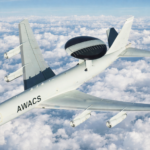
Advanced defense systems are using in future warfare are closely linked with aerospace technology, including modern aircraft and fighter jet innovations with details.
Why Future Warfare Is Changing
Future warfare is changing because the world is also changing. New threats, new technology, and new needs are shaping modern defense systems. Countries must adapt to stay safe and prepared.
Global Security Challenges
Today security threats are more complex and moving very fast in the advance warfare environments . Cyber attacks, drones, and unmanned systems are making common risks. Today Traditional defense methods are not always effective against these threats.
In advance world, Future warfare focuses on smart systems to detect and respond to danger very fast.
Technological Advancement
Technology is improving withing time very fast in every fields of defense. In Digital tools, automation, and smart systems are becoming more common.
Future military technology grows with this progress. It helps defense forces stay updated and ready for modern challenges.
Cost and Efficiency
Advanced systems help reduce long term costs. Smart technologies improving and saves human time.
Automation also reduces the need for human involvement in dangerous environment . This helps protect lives, which is very important in modern defense planning.
Overview of Upcoming Technologies in Future Warfare
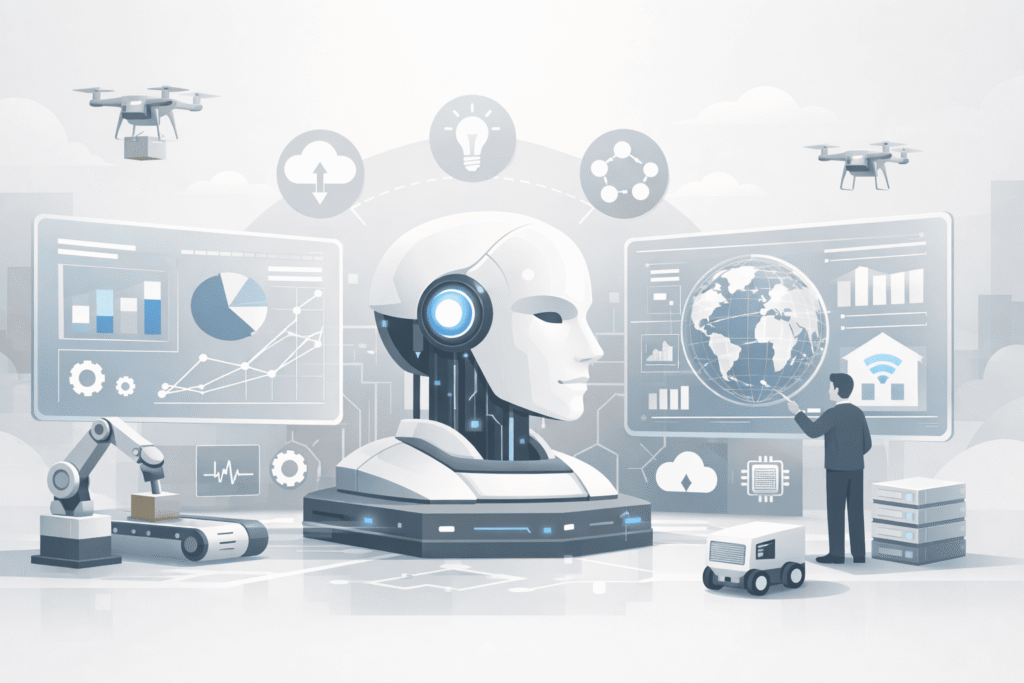
Future warfare includes several emerging technologies that may shape defense strategies.
Drone and Unmanned Systems
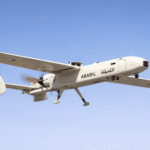
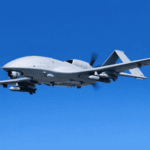
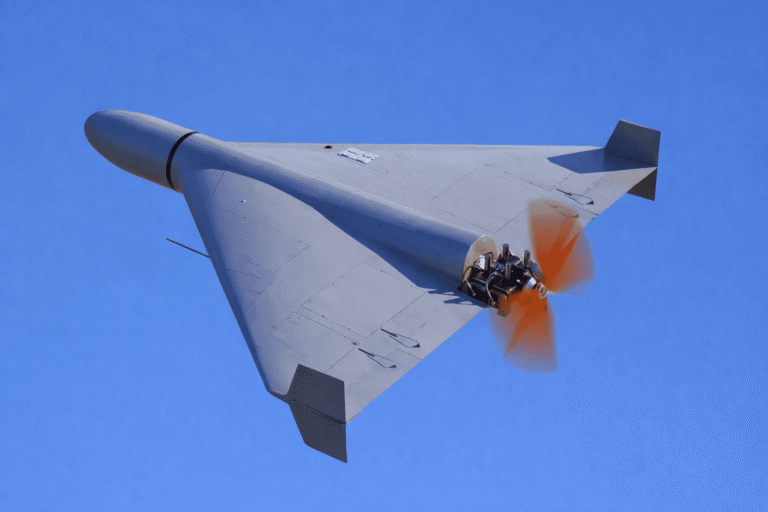
Drones are widely discussed in modern warfare technology. They are used in surveillance, monitoring, and data collection from anywhere in the world. Unmanned systems reduce human risk and improve operational reach anywhere.
Cyber Warfare Capabilities
Cyber systems are a major part of future warfare. Protecting digital infrastructure and communication networks is now a priority. Cyber warfare focuses on defense and system security.
Hypersonic and Advanced Weapons
Hypersonic technology is increasing very fast and more improvements in new level speed and precision. These systems are part of future military technology research, focusing on rapid response and defense balance.
Autonomous Defense Systems
Autonomous systems can operate with limited human input. In future warfare, these systems may support monitoring and defensive operations while following strict controls.
Global Impact of Future Warfare
Future warfare affects global security and international relations. Nations invest in technology to maintain balance and stability.
Strategic Balance
Advanced warfare systems helps, how countries manage defense strategies. Technology plays a role in maintaining security awareness.
Ethical and Legal Considerations
The proper use of automation and AI raises ethical questions. International discussions focus on responsible development and regulation of future warfare technology.
Focus on Prevention
Future warfare strategies working in not fought with human but use of technology to prevent conflict through strong defense systems and early threat detection rather than direct confrontation.
Benefits and Challenges of Modern warfare technology
Modern warfare technology has also both benefits and challenges. Needs to understanding both sides is important for better planning and safety.
Benefits
Improved Efficiency and Accuracy
The Systems of Modern technology work faster and more correctly. It reduces errors fast and improves overall performance during operations.
Reduced Risk to Human Life
The important role of technology in human life. Advanced machines and automation reduce the need for humans in dangerous areas. This helps save lives and lowers injury risks.
Faster Decision Making
Smart data systems provide information quickly. This allows to leaders to make fast and informed decisions.
Better Surveillance and Awareness
Modern tools help monitor situations in real time. They improve awareness and help detect threats early.
Challenges
Ethical Concerns
The use of advanced technology raises many questions. Clear rules are needed to use these systems responsibly.
Cyber Security Risks
Digital systems can be attacked by hackers. Protecting data and networks is a serious challenge.
High Development Costs
Advanced technology is costly to build and maintain. Many countries may face budget problems.
Dependence on Technology
Heavy depend on technology can be risky. System failure or may be create errors, may cause major problems.
Modern warfare and Warfare Evolution
Warfare evolution shows, how technology effecting in social. Modern warfare technology is part of this natural progression.
the change From basic technology tools to advanced systems, warfare evolution reflects human innovation. Need to Understanding this process helps explain why future warfare focuses on technology, data, and automation.
Frequently Questions and answers are following: (FAQs)
What is future warfare in simple words?
The means of Future warfare, the using advanced technology and smart systems in military operations instead of relying only on traditional weapons and manpower.
How future warfare different from traditional warfare?
The Traditional warfare depends on physical force, while Modern warfare technology focuses on technology, automation, and information systems.
Is future warfare only about weapons?
No Modern warfare technology is not only about weapons but also includes cyber security, surveillance, data analysis, and defense planning.
Why is technology important in future warfare?
Future warfare is important in Technology cause it is improve efficiency, accuracy, and safety. It helps reduce risks and supports better decision‑making.
Does future warfare increase global conflict?
Future warfare strategies often focus on prevention and defense rather than direct conflict.
Conclusion
Future warfare represents a major shift in how military strategies are designed and understood. It moves away from traditional methods toward technology‑driven systems that emphasize control, efficiency, and prevention.
Modern warfare technologies, artificial intelligence, and advanced defense systems are changing in future military technology. These changes are parts of the natural evolution of warfare in a digital world.
Understanding future warfare helps to readers stay informed about global security trends without promoting problems. As technology continues to evolve, future warfare will remain an important topic in discussions about defense, ethics, and international stability todays.
About the Author