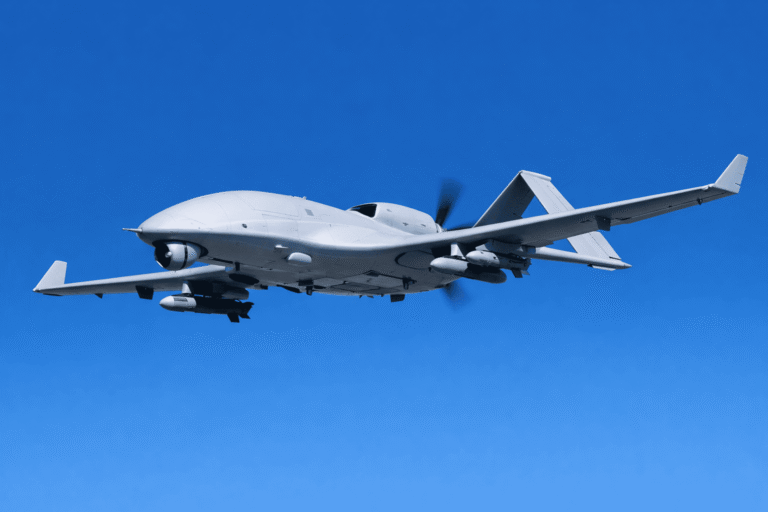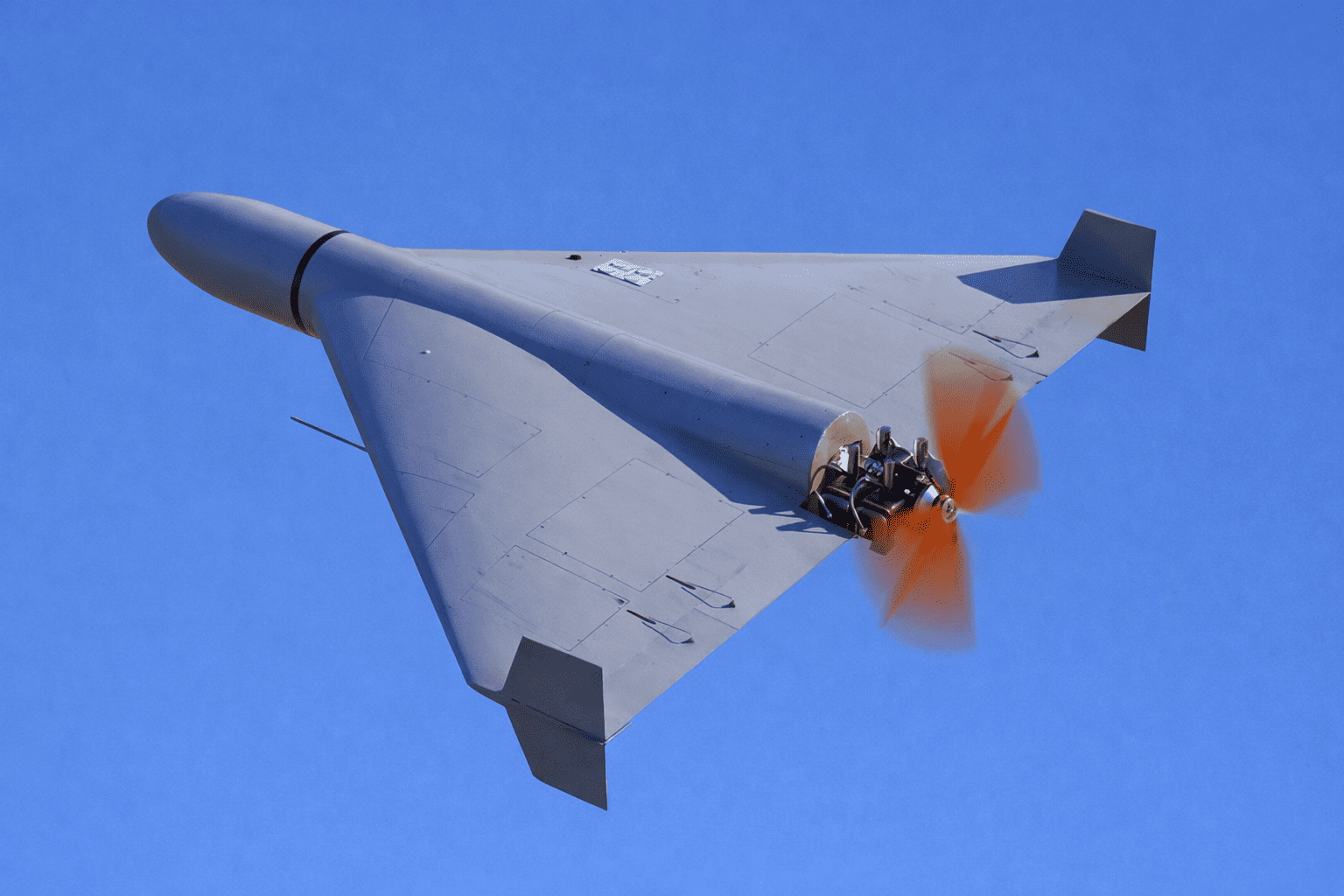
The Iranian Shahed 136 drone is a modern kamikaze drone made for long range used in military operations. It is now as important part of modern air warfare. This drone was developed in Iran by HESA and was first seen around 2020–2021.
Key Features – Shahed-136 Drone
Name: Shahed-136 Loitering Munition
Category: Kamikaze Drone
Origin Country: Iran
Manufacture : HESA
Type: Unmanned Aerial Vehicle (UAV)
Range: Up to 2,500 km
Speed: ~180 km/h
It is a loitering munition, which means this shahed 136 drone can fly in the air for a long time and wait before hitting its target. The drone can travel up to 2,500 km and fly at a speed of about 180 km/h. This makes it useful for long distance missions
One of the main features of the Iranian Shahed-136 drone is its low cost and simple design. It is cheaper than many other weapons, which allows it to be used in large numbers. It carries an explosive payload of around 30–50 kg. The drone is launched from a truck and uses GPS and internal navigation to reach its target.
Its special delta-wing shape and small engine help it stay stable in the air for many hours. It has been used in recent conflicts, especially in the Ukraine war, where it is also called “Geran-2.” While it is cheap and effective, it can still be stopped by strong air defense systems.
Types, Generations, and Models of Iranian Shahed Drones
The Iranian Shahed-136 drone is part of a larger family of unmanned aerial vehicles developed in Iran. These drones come in different types and generations, each designed for a specific role such as surveillance, combat, or suicide (kamikaze) missions. Over time, the Shahed drone series has improved in range, design, and technology, making it a key part of modern drone warfare.
Main Types of Shahed Drones
There are types of Shahed Drones.
- Surveillance Drones: These drones are used for monitoring and gathering information.
For example the Shahed-129 drone is used for long time monitoring. It can also be used for strike.
- Combat Drones: These drones can carry weapons and used in military operations.
The Shahed-129 and Shahed-149 (Gaza) are examples of combat drones.
- Loitering Munition (Kamikaze Drones): These drones are designed to crash into targets, with explosives.
Examples of these drones are Shahed-136 ..t role, but the Iranian Shahed-136 drone is mainly known for its kamikaze military operations and capability.
Each type plays a different role, but the Iranian Shahed-136 drone is mainly known for its kamikaze military operations capability.
Generations of Shahed Drones
The development of Shahed drones can be divided into simple “generations” based on technology and capability:
🔹 First Generation
Early drones focused on basic surveillance with limited range and simple control systems.
They were mainly used for observation and training.
🔹 Second Generation
These drones added longer range and weapon capability.
Models like Shahed-129 could carry missiles and stay in the air for many hours.
🔹 Third Generation (Modern)
This is the most advanced stage, including drones like the Iranian Shahed-136 drone.
These drones are:
- Low-cost
- Long-range
- Designed for mass military operations (swarm use)
- Equipped with GPS and smart navigation
They are widely used in modern conflicts today.
Popular Iranian Shahed Drone Models
Here are some well-known models from the Shahed series:
- Shahed-121 → Early reconnaissance drone
- Shahed-129 → Long-range combat and surveillance drone
- Shahed-131 → Smaller version of kamikaze drone
- Shahed-136 → Most famous loitering munition drone
- Shahed-149 (Gaza) → Advanced large combat drone
Use of Shahed Drone Models
Different Shahed drones are used for different missions:
- Surveillance: Border monitoring and intelligence gathering
- Combat Operations: Targeted strikes using missiles
- Kamikaze military operations Direct impact strikes on targets
- Swarm military operations: Large number of drones used together to overwhelm defenses
The Iranian Shahed-136 drone is mainly used in long-range military operations where it can travel far and strike with precision.
📊 Shahed Drone Comparison (Shahed131 vs Shahed 136 vs Shahed 149)
| Feature | Shahed-131 | Shahed-136 | Shahed-149 (Gaza) |
|---|---|---|---|
| Type | Kamikaze Drone | Kamikaze Drone | Combat UAV |
| Range | ~900 km | 1,000 – 2,500 km | ~2,000 km+ |
| Speed | ~150 km/h | ~180 km/h | ~350 km/h |
| Payload | Small explosive warhead | 30–50 kg explosive | Missiles & bombs |
| Endurance | Several hours | Long loitering capability | Up to 24+ hours |
| Launch Method | Ground launcher | Truck-mounted launcher | Runway takeoff |
| Main Use | Short-range strikes | Long-range swarm military operations | Surveillance + combat |
| Cost | Very low | Low-cost | Expensive |
| Famous For | Smaller military operations | Mass drone warfare | Advanced military missions |
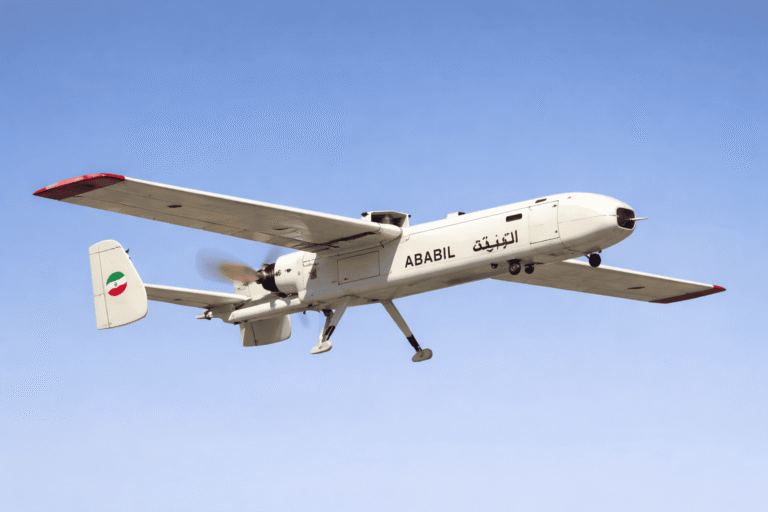
Iranian Ababil Drone – Early but Powerful UAV
The Ababil drone is one of Iran’s earlier drone models, but it still plays an important role today. It is mainly used for surveillance and short-range missions. Over time, newer drones like the Shahed-136 have improved range and power, but the Ababil drone remains a key part of Iran’s UAV development history. 👉 Explore full details of Ababil drone
Iran vs Israel and America: How the Iranian Shahed 136 Drone Is Changing Modern Warfare
The Iranian Shahed 136 drone is getting attention around the world. This is happening because these shahed drones are getting attention between Iran, Israel and the United States. The Iranian Shahed 136 drone is changing the way wars are fought today. It is easy to make and does not cost a lot of money. The Iranian Shahed-136 drone is made for military operations from far away.
Mass Drone military operations : A New global security situation
One key reason behind the rise of the Iranian Shahed 136 drone is its low price and easy design. Instead of using costly missiles, it can be launched in big numbers. This creates what experts call swarm military operations. In simple words, many Shahed 136 drone s are sent at the same time to confuse and pressure air defense systems. Reports suggest that hundreds or even thousands of such drones have been used in different conflict areas.
How Israel and the US defense system against Shahed 136 drone Are Responding
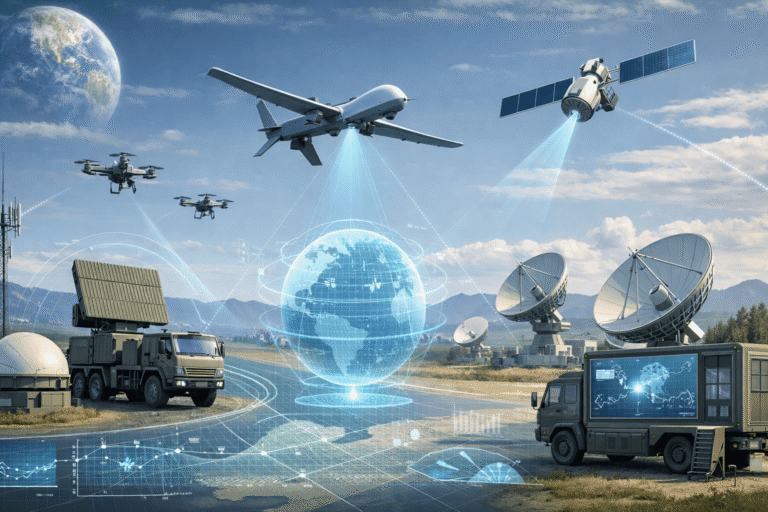
To stop the growing use of the Iranian Shahed 136 drone, countries like Israel and the US are using advanced defense systems. These include Iron Dome, David’s Sling and the Patriot Missile System. These systems try to detect and destroy incoming drones. At the same time, electronic tools are used to block GPS signals and confuse the drone’s path. Even with these systems, stopping every drone is still a big challenge because they come in large numbers and are very cheap.
A Shift in Modern Warfare
The Iranian Shahed 136 drone shows a clear change in military strategy. Today, wars are not only about expensive weapons but also about smart and affordable technology. Drones like this are now playing a central role, not just a support role. As tensions continue in the Middle East, many experts believe this type of drone will shape the future of air warfare.
Middle East Impact: Iranian Shahed-136 Drone in Arab Countries
The Iranian Shahed 136 drone has been widely used in recent tensions across the Middle East. It has appeared in several regions, including the United Arab Emirates, Saudi Arabia, Kuwait, and Bahrain. These drones are often used in large numbers to target important places like military bases, airports, fuel sites, and oil facilities. In many cases, only a few drones reach their targets, while most are stopped by air defense systems.
In some large military operations, hundreds of drones and missiles were launched together. Reports show that most of these were intercepted, and only a small number managed to hit their targets. This shows how the drone is used in mass military operations and strategies, where many drones are sent at once to increase the chances of success. However, strong defense systems in Arab countries often reduce the overall damage.
Strong Air Defense in Arab Countries
Arab countries have built strong systems to defend against drone military operations. Systems like the Patriot Missile System and THAAD are used to stop incoming drones. Fighter jets such as F-16s and helicopters are also used to detect and destroy drones in the air.
In many cases, more than 90% of incoming drones have been stopped before reaching their targets. This shows that even though the Iranian Shahed 136 drone is effective, modern defense systems are also very powerful.
Targets and Limited Damage
Some drone in military operations have still reached key locations. These include oil facilities, airports, water plants, and some city areas. However, because of quick response and advanced defense systems, most military operations do not cause major damage.
FAQS Related Shahed 136 drone
What is the Iranian Shahed 136 drone?
The Iranian Shahed-136 drone is a kamikaze UAV designed for long-range use in military operations. It flies to a target and explodes on impact.
Why is the Shahed 136 drone so popular?
Shahed 136 drone is a popular drone because it is cheap, simple, and effective. It can be used in large numbers, making it hard to stop.
What is the range of the Shahed 136 drone?
The range of the Iranian Shahed 136 drone is around 1,000 to 2,500 km, depending on mission conditions.
How do countries stop Shahed 136 drones?
Countries use systems like Patriot Missile System and Iron Dome, along with electronic jamming, to stop these drones.
What is the difference between Shahed-131 and Shahed 136 drone ?
Shahed 131 is smaller with shorter range, while the Iranian Shahed 136 drone is bigger, has longer range, and carries a larger warhead.
Is Shahed 136 drone used in modern wars?
Yes, the Iranian Shahed 136 drone has been used in recent conflicts, in the Ukraine attention with russia and especially use in iran vs isreal and America attention .
Conclusion: Future of Drone Warfare
The Iranian Shahed 136 drone clearly shows how modern warfare is changing. Low-cost drones are now powerful tools in global conflicts. They are easy to produce, simple to use, and effective in large numbers. As countries continue to improve both military operations drones and defense systems, the role of UAVs will only grow in the future. This makes drone technology one of the most important areas to watch in coming years.
About the Author