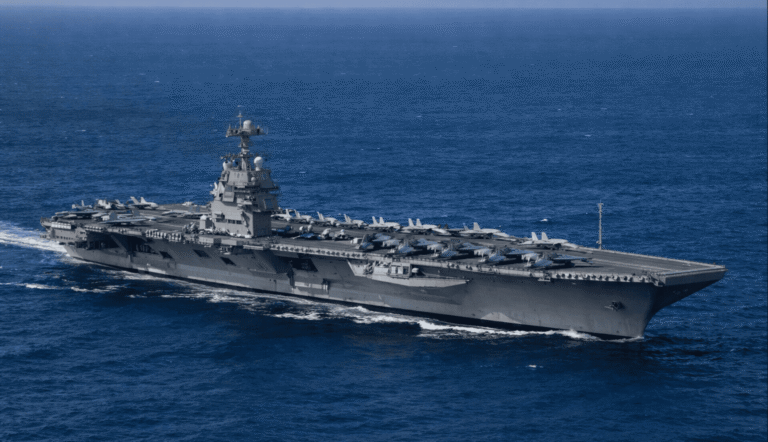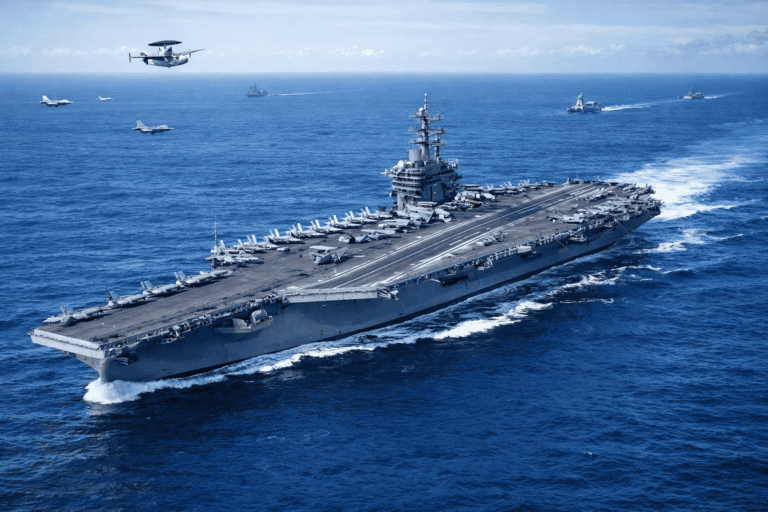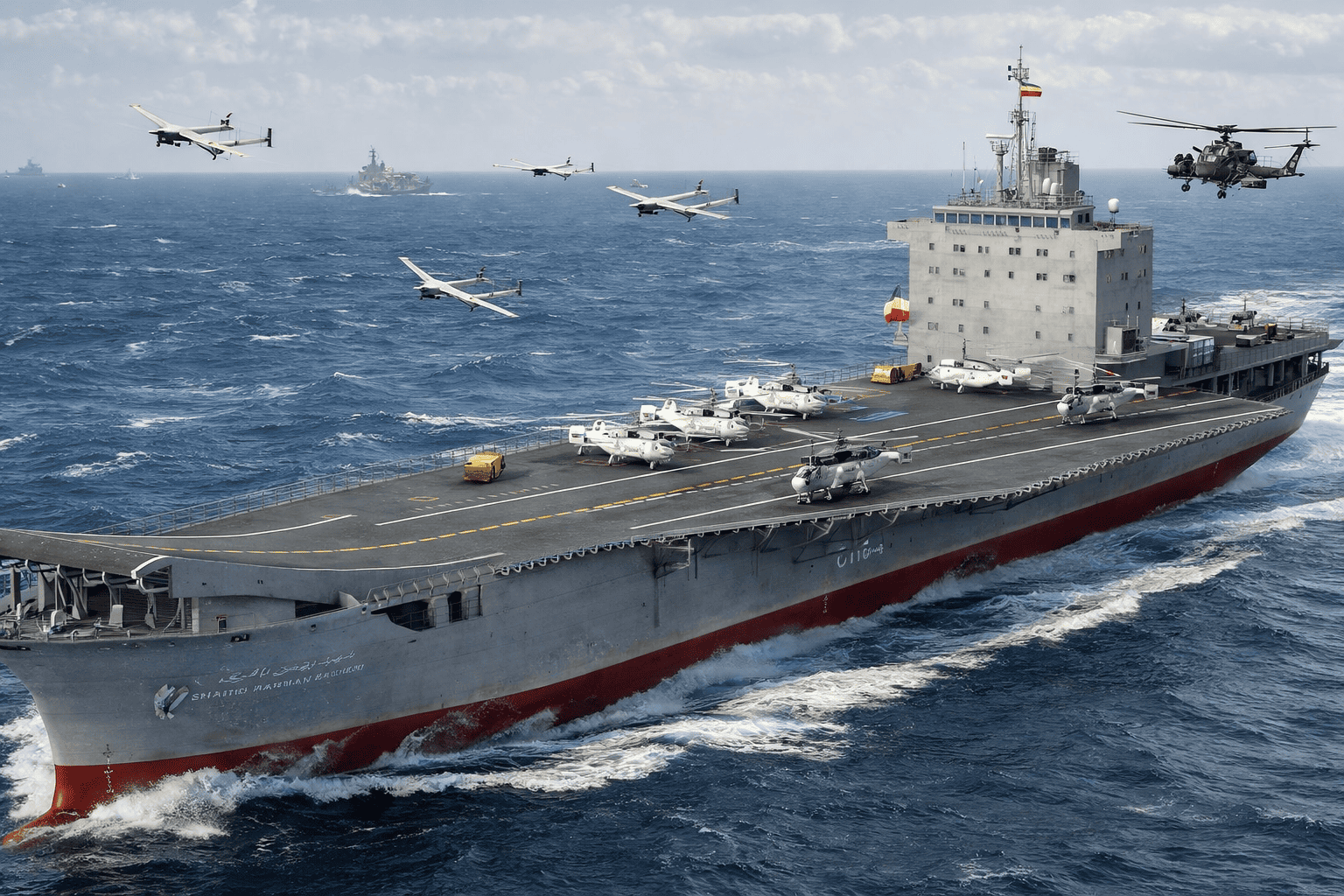
IRIS Shahid Bagheri, an Iranian drone carrier showcasing modern naval technology.
Introduction
IRIS Shahid Bagheri is a new, latest and unique naval technology or platform developed by Iran to support modern maritime operations. Not same as the traditional aircraft carriers, IRIS Shahid Bagheri is designed mainly as a drone carrier and support ship, focusing on unmanned aerial systems and advanced naval technology. This vessel reflects a growing global trend where navies are investing in unmanned systems, cost effective solutions and surveillance platforms instead of large and expensive warships.
The ship has getting attention because it shows how existing commercial vessels can be converted into military platforms using technology and modern engineering . IRIS Shahid Bagheri highlights Iran’s focus on naval innovation, maritime monitoring and drone operations rather than direct combat roles.
In this article, we will also explore what IRIS Shahid Bagheri is and about its design and conversion technology, drone and aviation capabilities, communication and control systems, and its role in modern naval technology. The goal is to explain everything in simple and easy to understand language, keeping the discussion technical, neutral, and educational.
What is IRIS Shahid Bagheri ?
IRIS Shahid Bagheri is best described as a drone carrier and naval support vessel. It is not a traditional aircraft carrier like those operated by major world navies. Instead, it is designed to support unmanned aerial vehicles (UAVs), helicopters, and naval surveillance missions.
The ship is operating by the Islamic Revolutionary Guard Corps (IRGC) Navy in a technology focused and non political role. Its main role is to perform as a mobile sea platform that supports drone operations, maritime awareness and coordination . By launching drones from the sea, the vessel helps extend surveillance coverage far beyond coastal areas.
IRIS Shahid Bagheri is the result of a conversion project carried out between 2022 and 2024. The ship was originally a commercial container vessel named Perarin. During the conversion, it was modified for naval use and equipped with an angled flight deck and a ski‑jump, similar in concept to light aircraft carriers. This design allows drones and helicopters to operate more efficiently from the deck.
In Iran’s naval system, IRIS Shahid Bagheri showing a shift toward cost effective, flexible and technology‑driven naval platforms. It shows how navies can adapt existing commercial ships to meet modern operational needs without building entirely new vessels from scratch.
History & Technical Overview of IRIS Shahid Bagheri
IRIS Shahid Bagheri is an Iranian naval vessel designed as a drone carrier. The ship was originally constructed by HD Hyundai Heavy Industries in South Korea and completed in the year 2000. After years of service and conversion work, it was officially commissioned on 6 February 2025 and became active in 2025.
This Iranian drone carrier ship is in using by the IRGC Navy and is based at Bandar Abbas. It has a displacement of around 41,978 tons and a length of about 240 meters, making it one of the larger ships in Iran’s fleet. The ship can reach speeds of up to 22 knots and has a long endurance, allowing extended operations at sea.
This IRIS Shahid Bagheri carrier consists with capable of carrying helicopters and UAVs and also with important component is helicopter landing deck. Its design supports coordination, surveillance and maritime monitoring missions rather than traditional combat roles.
This ship represents Iran’s move toward flexible, unmanned, and cost‑effective naval technology, reflecting broader global trends in modern naval development.
Design & Conversion Technology
One of the best and important component of IRIS Shahid Bagheri is its conversion process. The ship was originally a commercial vessel, which was later modified and upgraded for naval use. This approach allows faster development and lower costs compared to building a new warship.
Key Design Features
- A flat flight deck designed to support drone and helicopter operations
- Modified internal spaces for drone storage and maintenance
- Structural reinforcements to support aviation activity
- Improved deck layout for safe launch and recovery operations
The conversion process focuses on engineering efficiency rather than heavy combat features. The ship’s design supports long‑duration missions at sea, making it suitable for surveillance, coordination, and technology testing.
This type of design reflects a modern naval trend where adaptability and flexibility are more important than traditional ship size or firepower.
Drone & Aviation Capabilities
IRIS Shahid Bagheri is mainly built to operate as a floating base for unmanned aerial vehicles. Drones play a central role in modern naval operations, and this ship is designed to support that role effectively.
Unmanned Aerial Vehicles (UAVs)
The ship supports multiple types of UAVs used for:
- Maritime surveillance
- Area monitoring
- Reconnaissance missions
- Communication support
Drones launched from IRIS Shahid Bagheri can cover wide sea areas and return valuable information without putting crew members at risk.
Helicopter Support
this iris shahid bagheri ship, in addition to support drones and can also support helicopter operations with helicopter landing desk. Helicopters are useful for transport, search tasks, and general naval support. The combination of helicopters and UAVs makes the ship a multi‑purpose aviation platform.
Launch and Recovery Concept
Instead of complex systems, IRIS Shahid Bagheri uses simplified launch and recovery methods suitable for unmanned systems. This keeps operations efficient and reduces technical complexity.
Communication & Control Systems
Modern naval ship or platform consists on advanced communication and control systems, and IRIS Shahid Bagheri is no exception.
Ship‑Based Control Rooms
The vessel includes dedicated control rooms where operators manage:
- Drone flight operations
- Navigation coordination
- System monitoring
- Data collection and analysis
These control rooms allow real‑time decision‑making and smooth coordination between drones and ship systems.
Drone Communication Systems
With Secure communication links connect to the ship with its unmanned aerial vehicles. These systems ensure stable control and data transmission during operations even at long distances.
Navigation & Coordination Technology
Advanced navigation systems on this ship help to operate safely in different sea conditions. These systems support route planning, coordination and positioning with other naval assets.
All communication technologies are discussed at a high‑level, keeping the focus on technology rather than tactical details.
Role in Modern Naval Technology
IRIS Shahid Bagheri playing a important role in how drone carriers fit into modern naval strategy. Around the world navies are increasingly investing in unmanned systems because they are flexible, efficient, and low in costs.
Drone Carrier Concept
Drone carriers act as mobile bases at sea, allowing drones to operate far from land. This improves surveillance coverage and operational reach without needing large airbases.
Future of Unmanned Systems
Unmanned systems are becoming a key part of naval operations. Ships like IRIS Shahid Bagheri help test and improve these technologies in real maritime environments.
Naval Surveillance Evolution
Traditional naval surveillance relied on crewed aircraft and radar systems. Today, drones add an extra layer of awareness, making naval operations more efficient and safer.
Why IRIS Shahid Bagheri Is Important
IRIS Shahid Bagheri is important not because of size or firepower, but because of what it represents in naval development.
Focus on Unmanned Technology
The ship shows Iran’s focus on drone‑based naval systems, which are becoming more common worldwide.
Cost‑Effective Naval Solution
Converting a commercial ship into a drone carrier is a cost‑effective approach. It allows navies to expand capabilities without high construction costs.
Technology Testing Platform
IRIS Shahid Bagheri can also act as a testing platform for new naval and drone technologies, helping improve future designs.
Example of Naval Innovation
Overall, the ship serves as an example of how modern navies adapt to new technologies and changing maritime needs.
Some Reports (Jan 2026)
According to publicly available reports, IRIS Shahid Bagheri has been recently activated and introduced as part of Iran’s naval modernization efforts. Official announcements highlight its role as a drone and support platform, focusing on technology and surveillance rather than direct combat operations.
This information is shared for general awareness and remains neutral and informational.
Question and Answers about Iris shahid bagheri ship
Q1: What is IRIS Shahid Bagheri?
IRIS Shahid Bagheri is an Iranian naval vessel designed as a drone carrier and support ship. It focuses on unmanned systems, surveillance tasks, and modern maritime technology rather than traditional combat roles.
Q2: Is IRIS Shahid Bagheri an aircraft carrier?
No IRIS Shahid Bagheri is not a traditional aircraft carrier but its support drone and limited helicopters. It does not operate fighter jets.
Q3: What is the main role of IRIS Shahid Bagheri?
The main role of IRIS Shahid Bagheri is to act as a mobile sea platform for drone operations, communication support, and maritime surveillance across wide ocean areas.
Q4: Why are drone carrier ships important today?
Drone carrier ships are important because they extend surveillance range, reduce risks to human crews, and support modern naval missions in a cost‑effective and flexible way.
Q5: How does IRIS Shahid Bagheri fit into modern naval technology?
IRIS Shahid Bagheri reflects the growing use of unmanned systems and advanced naval platforms, showing how navies are adapting to new technologies and future maritime needs.
Conclusion
IRIS Shahid Bagheri represents a modern approach to naval development, where technology, flexibility, and unmanned systems take priority over traditional ship design. As a drone carrier and naval support platform, it highlights how navies can adapt existing vessels to meet new operational needs.
By focusing on drones, communication systems, and efficient design, IRIS Shahid Bagheri shows the growing importance of unmanned maritime technology in today’s naval environment. Its role as a surveillance and support platform makes it a valuable example of how modern naval forces evolve with changing technology.
Ababil drones are an important part of Iran’s unmanned aviation program. These drones are used for surveillance, training, and technology development, showing Iran’s growing focus on UAV systems. On our website, you can read a detailed article about Ababil drones that explains their design, roles, and technical features in easy language.
Military drones also work closely with modern aircraft. We have also published in‑depth articles on 5th generation fighter jets, 6th generation fighter jets, and future combat programs like FCAS and GCAP, where we explain aircraft technology, stealth design, sensors, and next‑generation aviation systems in a clear and simple way.
For additional background and technical details, you can visit the Wikipedia page:
IRIS Shahid Bagheri (Drone Carrier)
About the Author