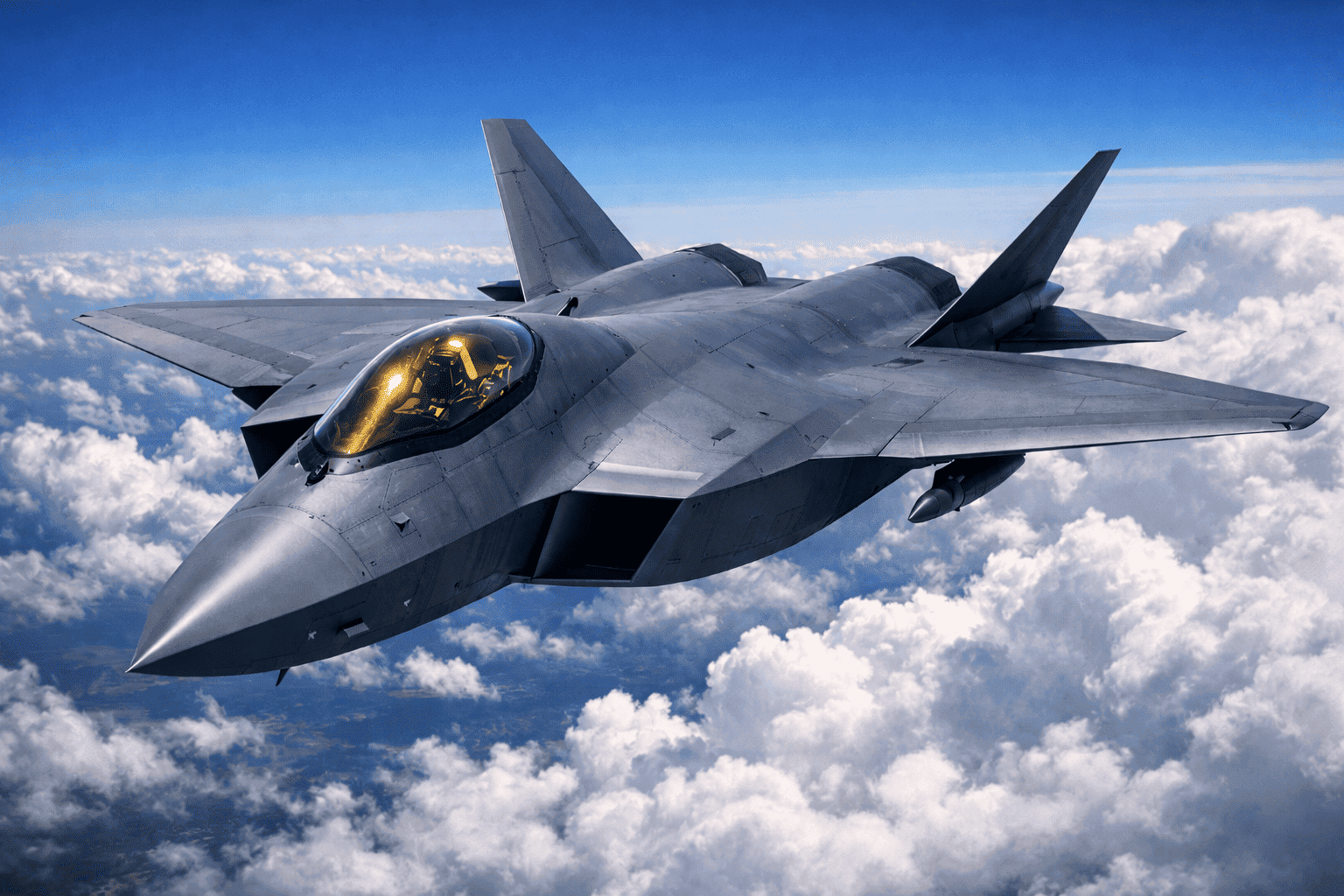
FCAS fighter jet Flying in the air
Europe’s Future Combat Air System
Explained
The FCAS fighter jet is a Future Combat Air System which is represents one of the most advance defence projects ever launched in Europe. Officially known as the Future Combat Air System, FCAS is not just about developing a new fighter aircraft. Instead, it is a long term vision to completely redefine how air combat will be conducted in the coming decades. Backed by France, Germany, and Spain, the programme aims to deliver a sixth generation combat system capable of meeting future security challenges.
Unlike traditional fighter jets that operate largely as independent platforms, the FCAS fighter jet is designed to function as part of a highly connected combat ecosystem. This system brings together manned aircraft autonomous drones artificial intelligence, and secure digital communication networks. The objective is clear providing European air forces with smarter faster and more air power.
What means of FCAS Fighter Jet?
The FCAS fighter jet is high power approach and system that sits at the center of Europe Future Combat Air System project which is expected to become operational around 2040 which is the strong technology in coming years . Rather than focusing solely on speed or fire power FCAS prioritizes integration connectivity and information dominance.
FCAS is built around the concept of a system of systems. This means the fighter jet will operate alongside unmaned aerial vehicles, ground systems, satellite and command centers all connected through a real time digital network. The pilot of the FCAS fighter jet will not just fly an aircraft but will act as a mission commander coordinating multiple assets simultaneously.
This approach reflects how modern warfare is coming where data, speed of decision making and coordination often matter more than raw firepower alone.
The FCAS programme is a shared efforts led by European aerospace companies including Dassault Aviation company of France. Airbus Defence and Space company of Germany and Indra Sistemas company of Spain. Together these companies are working to combine cutting edge technologies in power AI and networked warfare to create a platform that can adapt to the rapidly evolving demands of modern air combat.
FCAS Fighter Jet Europe’s Next Generation Air Power Revolution
The FCAS fighter jet is shaping up to be Europe’s most ambitious aerospace project in decades. Known as the Future Combat Air System, it represents a collaborative effort by France, Germany, and Spain to develop a sixth-generation fighter aircraft integrated into a fully networked combat system.
Key Components of the FCAS Fighter Jer Future Combat Air System
The FCAS programme is structured around three main items each playing a important role in the overall system.
1. New Generation Fighter (NGF)
The New Generation Fighter is the manned aircraft at the heart of FCAS fighter jet. It is expected to feature:
- Advanced stealth design
- Powerful next generation engines and flying features
- AI assisted cockpit systems / control with ai system
- Enhanced electronic warfare capabilities
The NGF will replace older European fighter jets such as the Dassault Rafale and Eurofighter Typhoon over time.
2. Remote Carriers Like Autonomous Drones
One of the most innovative elements of the FCAS fighter jet system is the use of Remote Carriers commonly described as loyal wingmen. These drones can perform a widely range of different tasks including:
- Information gathering and monitoring
- Signal blocking
- Decoy missions
- Precision strike support
By using autonomous drones, the FCAS system reduces risk to pilots while expanding battlefield flexibility.
3. Combat Cloud
The Combat Cloud is the digital backbone of the FCAS fighter jet programme. Its read to secure real time communication between all elements of the system and connecting’s. Through the Combat Cloud data from sensors, satellites, and drones is frequently shared giving pilots and commanders a complete operational picture.
These Countries Which are Developing FCAS Fighter Jet
The FCAS project is a joint works and involving some of Europe countries to leading aerospace and defence companies
- Dassault Aviation (France)
- Airbus Defence & Space (Germany)
- Indra Sistemas (Spain)
Each partner country plays a strategic role in development, manufacturing, and system integration. While collaboration offers technological strength, it has also introduced challenges related to leadership, intellectual property, and work‑share agreements.
Why Need Europe To Investing in FCAS Fighter jet ?
Europes decision to develop the FCAS fighter jet is driven by several strategic factors
Technological Powers
One of the main motivations behind FCAS fighter jet is Europe s desire to reduce reliance on other countries defence systems specially from the United States. By developing its own sixth generation fighter system, Europe aims to maintain strategic independence.
Replacing Aging Aircraft
Many European air forces currently working on aircraft that will become outdated by the 2030s. The FCAS fighter jet is designed to ensure a smooth transition to next generation or advance powers.
Preparing for Future War Incidents
Modern conflicts increasingly involve cyber warfare electronic attacks and autonomous systems. FCAS is built with these realities in mind ensuring Europe remains competitive in future combat scenarios.
Development Timeline
The FCAS programme is planned in phases over several decades:
- 2025–2028: Technology demonstration and initial concept validation.
- 2028–2029: First coordinated flight tests linking manned jets and autonomous drones.
- 2035–2040: Complete system launch and ready for use.
Even project has big goals it has faced many problems in the development . These include dis agreements between industries complicated funding plans, and face technical difficulties. Working together between France, Germany, and Spain has been very important.
Comparison With Other Fighter Jets
The FCAS fighter jet is designed to compete with the most advanced jets globally. Here’s a comparison with other leading programs:
| Feature / Jet | FCAS Fighter Jet | F‑35 Lightning II | F‑22 Raptor | Global Combat Air Programme (GCAP) |
|---|---|---|---|---|
| Generation | 6th Generation | 5th Generation | 5th Generation | 6th Generation |
| Origin | Europe (France, Germany, Spain) | USA | USA | UK, Italy, Japan |
| Manned + Drone Network | Yes (Combat Cloud) | Some networking | Minimal | Yes (networked) |
| Stealth | Advanced | Advanced | High | Advanced |
| Operational Date | ~2040 | In Service | In Service | ~2035 |
| AI & Cloud Integration | Core to system | Limited | Limited | Planned |
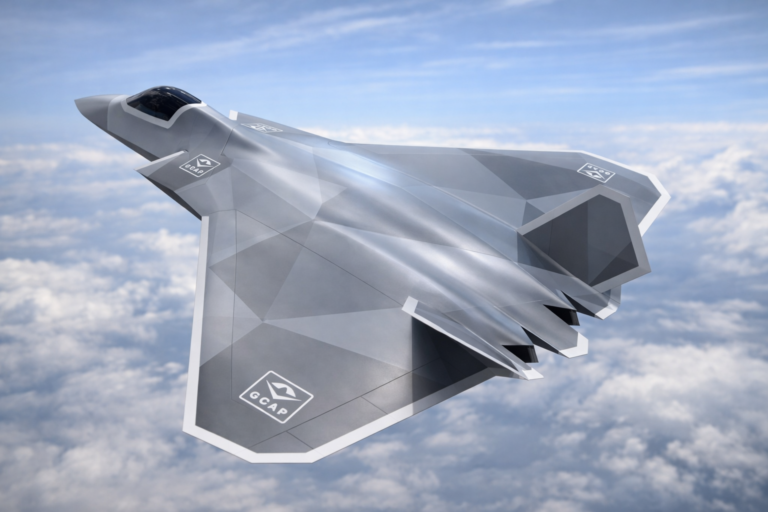
Note: The GCAP is a separate sixth-generation fighter initiative led by the UK, Italy, and Japan, demonstrating the global push for advanced air combat technology.
Global Reactions & Strategic Importance
The FCAS fighter jet is closely monitored by global powers. With countries like the U.S. and Japan developing their own sixth-generation platforms (such as NGAD and GCAP), European leaders view FCAS as a key element in maintaining strategic balance.
While some nations applaud Europe move towards defence independence, others track FCAS progress to assess potential rivals’ capabilities. This programme success in the future air warfare powers worldwide.
Challenges
the FCAS programme faces several difficulties in processing or developing :
- There have been not agreement about leadership and work responsibilities between France and Germany.
- France and Germany Difficulties in funding and cost sharing among participating countries.
- Technical difficulties in integrating linking piloted aircraft with drones..
- Pressure from competing programs like the GCAP and U.S. sixth-generation projects.
These issues make the FCAS fighter jet one of the most complex defence programmes in Europe’s history. (Euronews)
Mostly people have mind’s Questions — Key Questions About FCAS Fighter Jet
Q1: What we say in full name to FCAS fighter jet?
The name of FCAS is Future Combat Air System..
Q2: Which countries are the developing FCAS fighter jet?
France Germany and Spain are Developing FCAS fighter jet .
Q3: will FCAS fighter jet be operational and fly?
FCAS fighter jet be operational and fly are expected around 2028–2029 with full operational capability near 2040.
Q4: How can be FCAS fighter jet different from the F‑35 fighter jet ?
FCAS fighter jet same as the F‑35 Lightning II, which is a standalone 5th generation fighter the FCAS fighter jet operates as part of an Connected system including drones and the Combat Cloud network.
Q5: Can FCAS influence future warfare?
Yes. FCAS could revolutionize air combat, making digital networking, AI, and integrated operations central to battlefield success.
Writer’s Thinks
The FCAS fighter jet will be a major power in air warfare and will change how Europe fights in future or today in the air. Instead of using only one aircraft the Future Combat Air System links piloted jets smart drones and digital systems into one connected combat network.
the FCAS fighter jet shows Europe focus on tech independence and air power. If it succeeds, it will change modern air combat and make Europe more stronger in global defence technology in the world ..we are already posted many articles on fighter jets which are available in technology category . visit technology page
About the Author

Related posts:
 6th Generation Fighter Jets List Explained Clearly
 5th Generation Fighter Jets: List and Comparison
 GCAP Fighter Jet: Next-Generation Combat Aircraft Programme
 JF 17 fighter jet | Pakistan’s Pride Advance jf 17 Fighter Jet
 AWACS : Airborne Warning and Control System
 Ababil Drone : Iran’s Early Unmanned Aerial Vehicle
1 thought on “FCAS Fighter Jet: Europe’s Future Combat Air System”